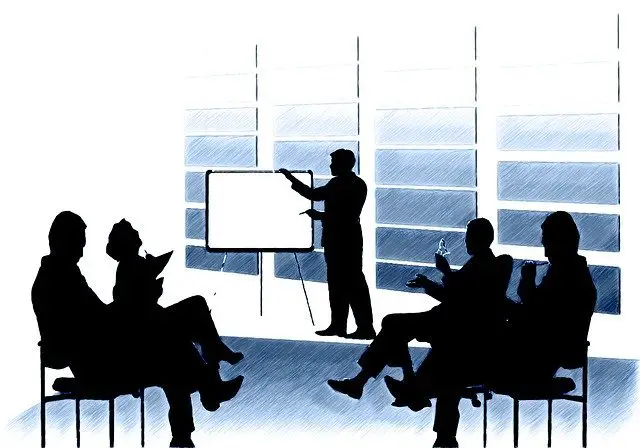
Learn practical strategies to effectively run requirements workshops that engage participants, clarify project needs, and avoid losing the room during critical planning sessions.
Preparing for the Workshop
Successful requirements workshops start long before the participants arrive. Preparation involves defining clear objectives, identifying the right stakeholders, and designing an agenda that balances structure with flexibility. For example, if your project involves developing a new software feature, your objective might be to gather user stories, understand constraints, and prioritize requirements.
Begin by inviting key stakeholders such as product owners, end users, developers, and business analysts. Their varied perspectives ensure a comprehensive understanding of the requirements. Share the agenda and any pre-work materials in advance, so attendees come prepared to contribute meaningfully.
Setting the Tone and Ground Rules
At the start of the session, establish a collaborative and respectful atmosphere. Clearly communicate the workshop goals and expected outcomes. Set ground rules such as one person speaks at a time, all ideas are valued, and side conversations are minimized.
For example, use a quick icebreaker or a round of introductions to help participants feel comfortable. Remind everyone that the goal is to capture all perspectives, not to finalize decisions immediately. This helps reduce defensiveness and encourages open dialogue.
Using Engaging Facilitation Techniques
To keep participants engaged, vary your facilitation methods. Techniques like brainstorming, affinity mapping, or storyboarding can make abstract requirements more tangible.
For instance, after a brainstorming session where everyone lists desired features, group similar ideas using sticky notes or digital collaboration tools. This visual organization helps the group see patterns and identify priorities.
Incorporate breaks and interactive activities to prevent fatigue. If the room starts to lose energy, a quick stretch or a brief change of pace can re-energize the group.
Managing Dominant Voices and Quiet Participants
Workshops often have participants who dominate conversations and others who stay silent. Effective facilitators balance these dynamics by gently steering dialogue.
If one person is monopolizing the discussion, acknowledge their input and then invite others to share their thoughts. For example, say, “Thank you for that insight, Sarah. Let’s hear from someone who hasn’t spoken yet.”
For quieter attendees, consider directly asking open-ended questions or use anonymous input methods like digital polls. This encourages broader participation and uncovers insights that might otherwise be missed.
Keeping the Discussion on Track
It’s easy for workshops to veer off-topic, especially during passionate discussions. Use your agenda as a guide and gently steer conversations back when necessary.
If the group digresses, summarize the current point and suggest parking unrelated topics for a separate discussion. For example, “That’s an important issue, but it might be outside today’s scope. Let’s note it down and revisit later.”
Timeboxing each agenda item also helps maintain momentum and ensures all topics receive attention.
Documenting Requirements Clearly
As ideas emerge, capture them accurately and visibly. Use a whiteboard, flip chart, or real-time digital collaboration tool to record requirements.
Clarify terminology and ask follow-up questions to avoid misunderstandings. For example, if a participant says, “We need a fast system,” ask, “Can you specify what response time defines ‘fast’ for your use case?”
Summarize key points periodically and confirm with the group to ensure alignment. This continuous validation prevents costly rework later.
Handling Conflicts Constructively
Disagreements about requirements are common and can be productive if managed well. Acknowledge differing viewpoints and focus on the underlying needs rather than positions.
For example, if one stakeholder wants a feature that another sees as unnecessary, explore the business value and potential risks together. Facilitate a discussion about trade-offs and seek consensus or agree to escalate decisions when needed.
Maintaining a neutral tone and emphasizing shared project goals helps keep conflicts constructive.
Wrapping Up with Clear Next Steps
End the workshop by reviewing what was accomplished and outlining next steps. Confirm who is responsible for refining requirements, scheduling follow-up meetings, or validating with additional stakeholders.
Provide participants with a summary document shortly after the session. This transparency reinforces commitment and keeps momentum.
Practical Example: A Mid-Project Requirements Workshop
Consider a mid-project workshop for a mobile app update. The team uses affinity mapping to collect feature requests from marketing, customer support, and development. The facilitator notices developers dominating, so she introduces a round-robin sharing method to involve quieter team members.
When a conflict arises over prioritizing features, the group evaluates user impact and technical complexity together, reaching a compromise. The session ends with assigned action items and a shared document capturing all agreed requirements.
Conclusion
Running a requirements workshop without losing the room requires thoughtful preparation, engaging facilitation, and clear communication. By setting expectations, managing group dynamics, and documenting outcomes effectively, you can harness the collective knowledge of your stakeholders and lay a solid foundation for project success. Remember, a well-run workshop is not about perfection but progress toward shared understanding and actionable requirements.